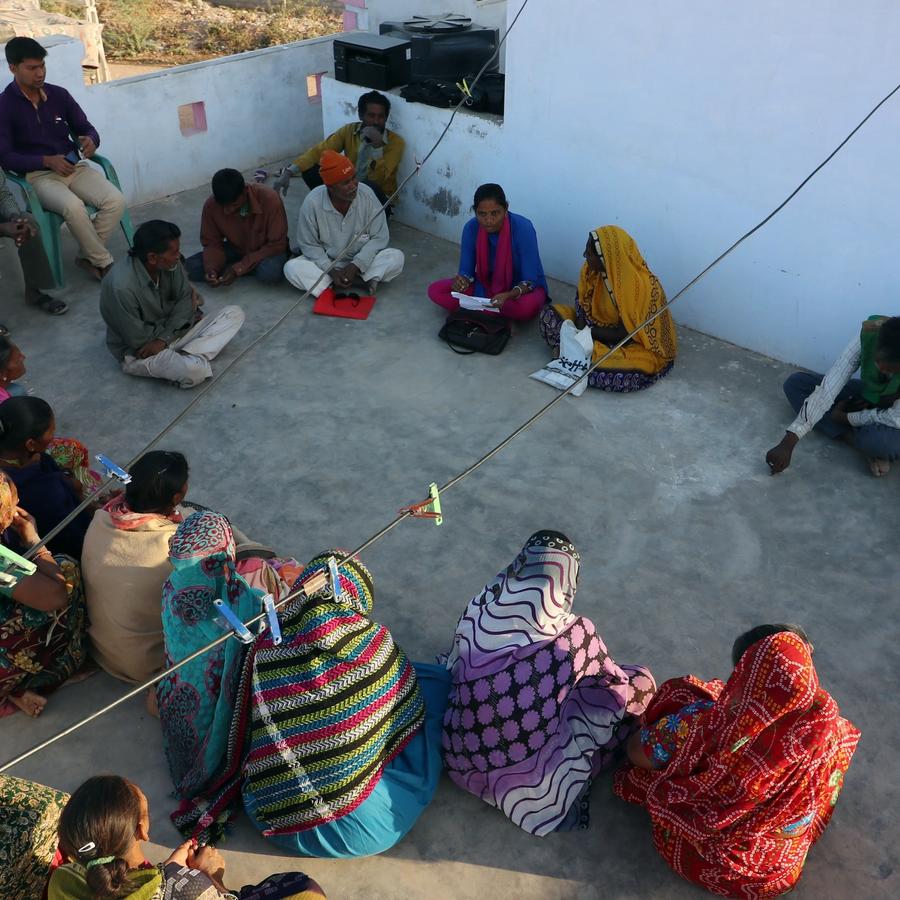
We planted 10,000 trees across 4 green belts. To know more please check out https://treesofbhuj.in
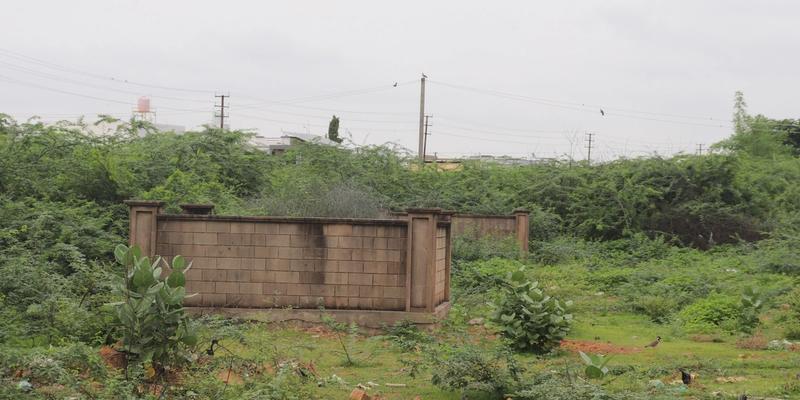
We planted 10,000 trees across 4 green belts. To know more please check out https://treesofbhuj.in
Overall Impact
HIC works towards building an inclusive, just and climate-resilient Bhuj by supporting community-led processes across the city. Over the years, the programme has worked alongside a wide range of marginalised and low income groups - waste collectors, migrant workers, women, children, adolescent girls, cattle owners, street vendors, sex workers and labourers -to strengthen their collective capacities and improve access to government schemes and urban services. HIC’s role has remained that of a facilitator, enabling communities to organise, participate and shape decisions that affect their everyday lives.
One of the significant outcomes has been improved access to dignified housing. Under the Rajiv Awas Yojana, residents of three urban poor settlements were supported in navigating procedures to construct 314 houses, built by the beneficiaries themselves. This demonstrated how technical guidance and community ownership can converge to create a practical model of participatory housing.
Across the city, people have come together in new ways to claim space, rights and visibility. Women’s federations - 167 Self-Help Groups with 10 to 20 members each - have evolved into platforms where women build confidence, take decisions collectively and engage with wider social and economic issues. Migrant workers, who are often invisibilised, have gained access to child-care spaces, water and sanitation to an extent through collaborative efforts involving citizens and volunteers. Sex workers, through the collective Samwedana, now engage with institutions more confidently, access health services and explore livelihood choices with greater autonomy.
Ward Committees have been formed in 10 of the city’s 11 wards, serving as decentralised platforms that strengthen grassroots citizen participation. They offer residents a structured space to raise local issues, shape development priorities, and monitor service delivery. Citizens are encouraged to attend meetings, support public welfare initiatives, and help prepare and implement ward-level plans. Ward councillors, as core committee members, work with community representatives to ensure local needs are addressed effectively and transparently. Through Jan Suvidha Kendras and Mahiti Mitra volunteers, over 2,360 people have accessed essential documents and entitlements.
City-level organising has also strengthened the voice of informal workers. More than 1,200 of Bhuj’s street vendors have been federated, contributing to the establishment of the Town Vending Committee in 2017—making Bhuj the second city in India to institutionalise this body. The creation of 25 vending zones has further enhanced security and dignity for vendors.
Environmental and climate-related initiatives have gained momentum through community participation. Cool-roof interventions have reduced indoor heat stress, kitchen gardens and urban forestry have promoted greener neighbourhoods, and more than 10,000 saplings have been planted across 4 green belts. Through the Urban Environmental Education programme, 1500 schoolchildren have engaged in hands-on learning about ecological responsibility and civic sense.
A comprehensive study was previously conducted to document the city’s historic water systems and support lake revitalisation efforts. As part of this work, roof-rainwater harvesting structures were installed in 12 schools, and several ground-recharge techniques and institutional water self-sufficiency models were successfully demonstrated. The initiative also helped secure official recognition of 21 lakes in government records and contributed to the selection of the Hamirsar Lake System for the World Monuments Watch List 2025, highlighting its cultural and ecological significance.
The city’s first Reduce, Reuse, Recycle (RRR) centre has been established with municipal collaboration. City-wide natural resource mapping and community-led waste and water practices are gradually fostering more sustainable urban habits.
Together, these efforts reflect a growing culture of participation, collective action and ecological awareness in Bhuj. Communities across the city are increasingly shaping solutions for themselves, but still a long way to go.